Find your way
back to reading
Welcome to Elephant Lines, a quiet space for overstimulated, tired minds, caught on autopilot. Here you'll find free digital resources and ways to connect and (re-)start your reading journey.
Founded by Jana Ganguly · Built on a 5-step reading framework
Three ways to start
Reflections, reading tips and tiny practices from our founder.
Two free beta tools to help you get into reading easily and quickly. Try them — we'd love to hear what you think.
About 10–15 minutes. Find out your reader type and what you need.
Our minds have never been louder.
We have never read less.
Forty tabs open, none finished. You read half a page and reach for the phone.
Your mind is overwhelmed and won't settle. Reading is one of the simplest ways to find calm and focus again. See what the research says.

Why do you actually read?
Most of us have several reasons, and they shift week by week.
The quiz shows which ones drive you right now, plus book picks that fit.
About 10–15 minutes · result by email, no account neededFive steps back into your reading habit
Did you know that elephant trails get walked over generations until they become imprinted on their own? In the same way, through a reading routine, many people before you have already found more clarity and inner calm. There are five steps, each about as long as it takes to drink a cup of tea.


Picking up the first trail
→ Be aware of what reading type you are and set a clear reading intention.
Falling in line on the ancestors' jungle path
→ Choose the right book, set up your specific reading environment and create consistent, small reading moments
Getting past the fallen tree trunk
→ Build resilience through helpful methods and rituals
The fork in the road: choosing the herd or the silence
→ Learn more about the power of stories for your brain and try out social reading
Arriving at the source
→ Stay in your new-found reading routine and get inspired by others
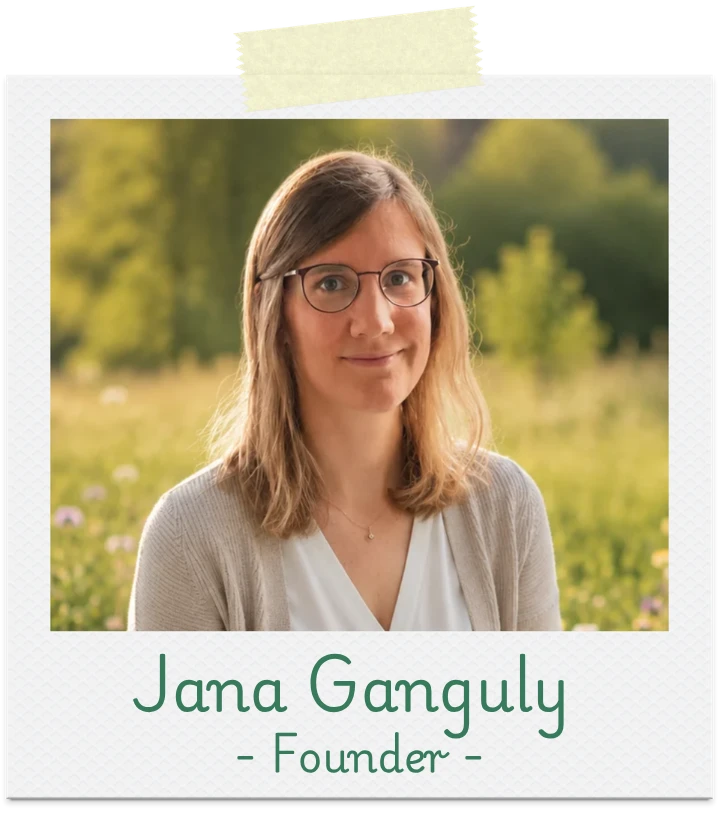
Jana Ganguly, founder of Elephant Lines. Her vision is a world where we care for our minds as naturally as we care for our bodies. That’s why she is passionate about creating paths that bring the power of reading into busy lives.
About Jana